
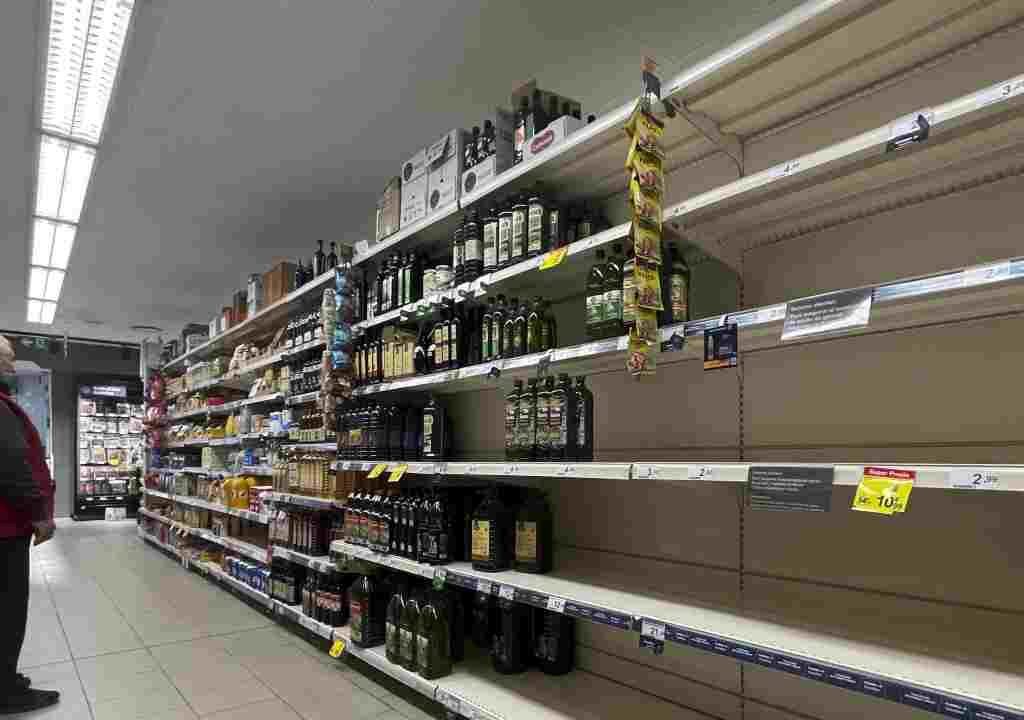
Siamo ridotti male, dice la signora all’uscita dal supermercato. L’ha trovato vuoto, l’ultima beffa di una vita che ci scorre sotto il sedere come in un’acquapark. Lo sciopero degli autotrasportatori per fortuna è finito, ma quella sensazione di vuoto è destinata a restare impressa nei cosiddetti “boomer”, i figli del boom economico che avevano conosciuto forse la vera età dell’oro. E oggi cominciano a rimpiangerla amaramente.
Sì, perché “come ci siamo ridotti” è un intercalare ormai particolarmente avvertito nel ceto medio. E da un momento all’altro poi… Sarà per la nostra vita ormai semplificata; no, non semplice, alla portata di tutti. Ma proprio ridimensionata, rimodellata per sottrazione. E nei gesti più comuni. Pensate un attimo a certe banalità di cui un tempo neanche ci accorgevamo. Abbiamo tolto la camicia che avevamo sotto il maglione: così è più figo e poi, vuoi mettere la comodità… Dalla moda giungono i segnali più rivoluzionari (e più sinistri) del mondo che cambia, tocca adeguarsi. Piccolo prontuario delle modeste libertà che (un tempo) ci sfuggivano: vuoi mettere la capacità che avevamo un volta di metter dentro giacche, giubbini e sovraspalla vari, le sigarette, le chiavi di casa, gli occhiali, i fazzoletti, eccetera eccetera? Oggi tasche interne scomparse, al massimo ce ne hanno lasciata una forse per il telefonino. E’ tornato l’uomo col borsello stile anni Settanta e pensare che a quei tempi avevamo mano libera su giacche, camicie e giubbotti. E le scarpe? Anche lì vige il cliché minimalista, rigorosamente sneaker anche d’inverno e pure sotto la giacca, anzi soprattutto sotto la giacca. E se l’abito è elegante e di gran pregio come quelli che si usavano una volta (per chi poteva permetterselo naturalmente), tanto meglio.
Anche i rapporti umani non richiedono più fiumi di parole, né la necessità di incontrarsi per fare quattro chiacchiere. Ammesso che si abbia ancora la voglia di parlare, se prima non solleviamo la testa dal cellulare.
Si dice che la tecnologia ci abbia impoveriti, il digitale isolati. Forse però non è tutta colpa di quei dannati marchingegni che ci occupano la vita. Magari anche quello, però c’è dell’altro. Il ceto medio sembra evidentemente aver compiuto un passo indietro sul benessere individuale di dieci, vent’anni fa. Di converso notiamo tante “supercar” in circolazione, nei locali alla moda si pasteggia a Krug e dai quattordicenni in su, quando si esce con gli amici si va per ristoranti, al massimo kebabberie o cose del genere sempre comunque un tantino sofisticate. Restare in strada è da sfigati, non avere soldi in tasca anche a quell’età non è consigliabile. E poi dicono che c’è chi specula sulle povertà altrui.
In verità ci sentiamo un po’ tutti miserabili, c’è chi sfrutta il lavoro (altrui) per fare soldi, da far impallidire il genio di Karl Marx che aveva teorizzato “lo sfruttamento dell’uomo sull’uomo” come fonte di progresso della società capitalistica. Ma qui invece c’è qualcuno che forse ha frainteso, siamo di fronte al rovescio della medaglia della storia economica mondiale, chi guadagna soldi a discapito di altri non lo fa per il tornaconto del benessere sociale ma solo del proprio. La deriva del nostro capitalismo ce l’abbiamo sotto gli occhi, non c’è bisogno di fare un giro in Borsa o in banca, che poi è diventata quasi la stessa cosa.
Il barman che ci serve al tavolo è lo stesso che qualche minuto dopo ritroveremo alla cassa per farci pagare lo scontrino del nostro conto. Ed è sempre lui che aveva appena finito di preparare e servire il caffè a due signore che invece consumano al banco. Immaginiamo come possa sentirsi stanco a fine giornata. L’avrà avuto almeno il cambio turno?
“Tengo famiglia”… immaginiamo sentirci rispondere così. Come si diceva in un tempo assai remoto, ma per motivi un po’ più edificanti (si fa per dire). Nell’ultimo dopoguerra, lo ricordano i nostri nonni, non c’era trippa per gatti. Bisognava ricostruire dalle macerie. Negli anni Sessanta però i nostri padri compravano la Cinquecento, magari firmando le cambiali. C’era però ottimismo per un mondo che cambiava.
Figurarsi oggi come dovremmo stare, se solo fossimo stati in grado di capitalizzare in modo più equo la ricchezza che proviene dai tempi in cui abbiamo costruito. Dovremmo spassarcela no?, immersi nel progresso come siamo. Gli economisti un secolo fa non avevano idea di cosa fosse Internet, ma il più grande di essi immaginava un futuro senza fatica per l’uomo. Semplicemente facendo leva sulla logica dei tempi e dell’evoluzione della civiltà.
Ebbene, signor Keynes: stiamo tornando indietro. E se qualcuno decidesse di non starci più a questo gioco al massacro? Mollare tutto e andarsene, se dieci, cento, mille “rivoltosi” facessero così? Restiamo bassi, pensiamo solo a quello che vediamo davanti a noi: ve l’immaginaste solo quanti ristoranti e pizzerie, bar e tavole calde si ritroverebbero di punto e in bianco senza più chi mettere dietro il bancone a «servire»? E poi via via tutti gli altri: il “giovane” stagista massacrato a quarant’anni, tutti gli sfruttati e malpagati delle campagne, ma quello delle campagne – dicono quelli che se ne intendono – è un male endemico. E si adeguano.
How our lives have become impoverished
We’re in a bad way, says the woman leaving the supermarket. She found it empty, the final insult to a life that slips under our asses like a water park. The truckers’ strike is thankfully over, but that feeling of emptiness is destined to linger in the so-called “boomers,” the children of the economic boom who perhaps experienced the true golden age. And today they’re starting to regret it bitterly.
Yes, because “how we’ve become impoverished” is a refrain that’s now particularly felt among the middle class. And then, any moment now… It might be because our lives have become simplified; no, not simple, accessible to everyone. But downsized, reshaped by subtraction. And in the most common gestures. Think for a moment about certain banalities that we once didn’t even notice. We’ve removed the shirt we were wearing under our sweaters: it’s cooler that way, and then, can you imagine the comfort? Fashion provides the most revolutionary (and most sinister) signals of a changing world; we have to adapt. A small handbook of the modest freedoms that (once) eluded us: can you imagine the ability we once had to stow cigarettes, house keys, glasses, handkerchiefs, etc., etc. inside jackets, bomber jackets, and various over-the-shoulder bags? Today, inside pockets have disappeared; at most, they’ve left us with one perhaps for a cell phone. The man with the 1970s-style pouch is back, and to think that back then we had free rein over jackets, shirts, and bomber jackets. And shoes? The minimalist cliché holds sway there too: strictly sneakers even in winter and even under a jacket, or rather, especially under a jacket. And if the suit is elegant and of great value like those worn in the past (for those who could afford it, of course), so much the better.
Even human relationships no longer require rivers of words, nor the need to meet up for a chat. Assuming we still have the desire to talk, if we don’t lift our heads from our phones first.
They say technology has impoverished us, digital isolation. Perhaps it’s not all the fault of those damned gadgets that occupy our lives. Maybe that too, but there’s more. The middle class clearly seems to have taken a step back in terms of individual well-being compared to ten or twenty years ago. Conversely, we notice so many “supercars” on the road, trendy bars serve Krug, and from fourteen-year-olds onwards, when going out with friends, they go to restaurants, at most kebab shops or similar, albeit slightly sophisticated. Being left out on the streets is for losers, and not having money in your pocket, even at that age, is not advisable. And then they say there are those who profit from the poverty of others.
In truth, we all feel a bit miserable. There are those who exploit the labor (of others) to make money, enough to make even the genius of Karl Marx pale, who theorized “the exploitation of man by man” as the source of progress in capitalist society. But here, perhaps, someone has misunderstood. We are faced with the other side of the coin in global economic history. Those who earn money at the expense of others do so not for the benefit of social well-being, but only for their own. The decline of our capitalism is before our eyes; there’s no need to visit the stock exchange or the bank, which have become almost the same thing.
The bartender who serves us at our table is the same one we’ll find a few minutes later at the cash register to collect our bill. And it’s the same one who had just finished making and serving coffee to two women who were drinking at the bar. Imagine how tired he must feel at the end of the day. Did he at least get a shift change?
“I have a family”… we can imagine hearing that answer. As they used to say in a very distant past, but for somewhat more edifying reasons (so to speak). In the post-war period, as our grandparents remember, there was no way around it. We had to rebuild from the rubble. In the 1960s, however, our fathers bought Fiat Cinquecentos, perhaps even signing promissory notes. There was, however, optimism for a changing world.
Imagine how we should be today, if only we had been able to capitalize more equitably on the wealth that comes from the times in which we built. We should be having a blast, right?, immersed in progress as we are. Economists a century ago had no idea what the Internet was, but the greatest of them imagined a future without human toil. Simply by leveraging the logic of the times and the evolution of civilization.
Well, Mr. Keynes: we’re going backwards. What if someone decided to no longer play this massacre? Drop everything and leave, if ten, a hundred, a thousand “rioters” did the same? Let’s stay low, just think about what we see before us: can you imagine how many restaurants and pizzerias, bars and diners would suddenly find themselves with no one left to put behind them?