
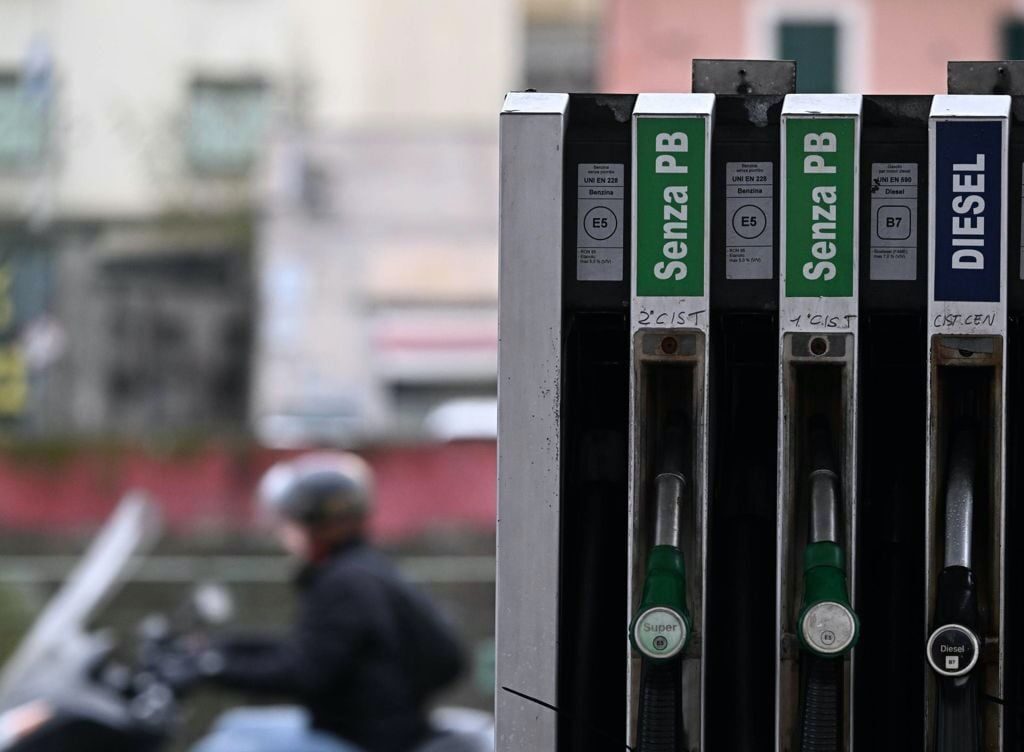
E ora come la mettiamo con gli extraprofitti da tassare, dopo il tetto al prezzo dei carburanti delle società energetiche? Saranno pure pannicelli caldi gli sconti di Eni, IP e dal 1° ottobre anche di Q8 (in alcuni casi davvero di qualche millesimo), ma gli automobilisti corrono sfreccianti alla pompa. E dei guadagni bulimici delle compagnie petrolifere, dopo il conflitto Usa-Iran, non si parla più. Ma qui occorrerà fare un passo indietro: siamo sicuri che il governo a questa “moral suasion” ci avrebbe pensato, senza preoccuparsi prima di dover parare i colpi alle martellate del Pd che da mesi insiste sulla tassazione degli extra-profitti sulla pelle dei contribuenti?
A voler essere ingenui, saremmo di fronte a un esempio di genuina alternanza democratica e di sano bilanciamento fra poteri dello Stato, questo confronto all’arma bianca sul prezzo della benzina. Certo, il caos geopolitico mette sia il governo e che le minoranze e non solo in Italia, di fronte a una casualità di combinazioni. Accade pure che l’opposizione sbraiti e che il governo l’accontenti… Ma riesce difficile oggi pensare a una strategica compensazione di ruoli tra poteri della Repubblica.
Il governo vuol far passare la riduzione dei prezzi decisa da Eni (che ha innescato il risiko delle altre compagnie) come un’iniziativa autonoma della controllata di Stato, la premier Meloni ringrazia e si compiace dell’effetto domino già in parte ottenuto. Dopotutto sarebbe stata dura per l’Esecutivo fare orecchie da mercante sulla tassazione degli extraprofitti in campagna elettorale, a fronte di un prolungato salasso dei contribuenti per fare benzina.
Ma non c’è dubbio che il gradimento del governo di centrodestra, dopo una mossa del genere, riprenda a salire. Lo dicono i sondaggi che per una volta non vedono il partito di Vannacci, il più scomodo dei competitor, rosicchiare qualche decimale a Fratelli d’Italia, il partito della premier. Se poi aggiungiamo al calderone in vista delle Politiche 2027, il regalo di Macron che ha desecretata gli atti della Francia sulla strage di Ustica, dopo 46 anni, il gradimento di cui sopra può tramutarsi in un’operazione-simpatia del centrodestra al governo per essere riuscito a ottenere ciò che altri governi, anche più in linea con quello transalpino, non sono stati in grado di fare.
Va da sé che la scontistica di Eni (1,99 per la benzina, 2,19 sul gasolio, IP ha fatto lo stesso) non allevierà più di tanto i sacrifici degli automobilisti. Si vedrà sul lungo periodo, anche se a fronte di prezzi alla pompa che sette mesi fa non superavano i 2 euro al litro (neppure per il diesel), si fa presto a calcolare quanto l’aumento dei costi sul bilancio familiare il sia già sufficientemente salato.
E comunque al momento il “Price cup” regge alla prova dell’opinione pubblica, la tregua sui carburanti potrebbe alleviare le pene dei consumatori, tanto più che ancora l’Eni ha lanciato un’operazione analoga sulle tariffe di luce e gas per i nuclei abbienti. Tutto questo a meno che il presidente degli Usa, Donald Trump, non s’inventi un’altra delle sue, tipo tornare a bombardare l’Iran come già promesso dopo le elezioni di Midterm a novembre. Loro provano a tamponare, la Casa bianca disfa: un copione destinato a ripetersi, a meno che da quel voto di medio termine il capo della Casa Bianca non ne venga fuori indebolito.
Extra profits with discounted gasoline
And now what about taxing the extra profits, following the cap on fuel prices from energy companies? The discounts from Eni, IP, and, starting October 1st, even Q8 (in some cases, by just a few thousandths) may be just a quick fix, but drivers are racing to the pumps. And the oil companies’ bulimic profits, after the US-Iran conflict, are no longer being discussed. But here we need to take a step back: are we sure the government would have considered this “moral suasion,” without first worrying about having to fend off the hammer blows from the Democratic Party, which has been insisting for months on taxing extra profits at the expense of taxpayers?
If we were to be naive, we would be looking at an example of genuine democratic alternation and a healthy balance of power among the state, this confrontation over the price of gasoline. Of course, geopolitical chaos presents both the government and minorities, and not only in Italy, with a random mix of circumstances. It sometimes happens that the opposition rants and the government obliges… But it’s difficult today to envision a strategic balancing of roles between the powers of the Republic.
The government wants to pass off the price reduction decided by Eni (which triggered the risk game among other companies) as an independent initiative by the state-owned subsidiary; Prime Minister Meloni thanks them and is pleased with the domino effect already partially achieved. After all, it would have been difficult for the government to turn a deaf ear to the taxation of extra profits during the election campaign, given the prolonged drain on taxpayers for gasoline.
But there’s no doubt that the center-right government’s approval ratings will start to rise again after such a move. This is confirmed by the polls, which for once don’t show Jannacci’s party, the most inconvenient of competitors, nibbling a few decimal points away from the Brothers of Italy, the prime minister’s party. If we then add to the mix ahead of the 2027 general election Macron’s gift of declassifying France’s documents on the Ustica disaster, after 46 years, the aforementioned approval rating could turn into a sympathy campaign for the center-right government, which has managed to achieve what other governments, even more politically aligned with the French one, have failed to do.
It goes without saying that Eni’s discount (1.99 for gasoline, 2.19 for diesel; IP has done the same) won’t significantly alleviate motorists’ hardships. We’ll see in the long run, although given that pump prices didn’t exceed €2 per liter seven months ago (not even for diesel), it’s easy to calculate how steep the cost increase is already on the family budget. And in any case, for now, the “Price Cup” is holding up to the test of public opinion; the fuel price hike could ease consumer woes, especially since Eni has launched a similar initiative on electricity and gas rates for the less well-off. All this, unless US President Donald Trump comes up with another plan, like bombing Iran again, as he promised after the November midterm elections. They try to plug the gap, but the White House unravels: a scenario destined to repeat itself, unless the White House leader emerges weakened from those midterm elections.