
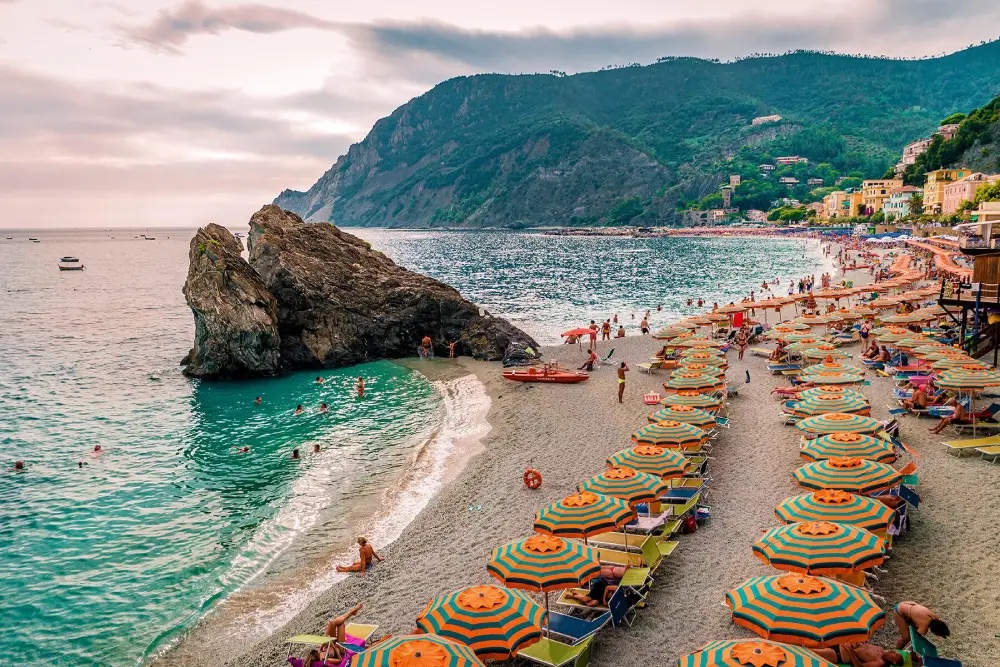
Caos concessioni balneari, innanzitutto un punto andrebbe finalmente chiarito: l’Ue chiede da vent’anni all’Italia l’applicazione della direttiva Bolkenstein, la normativa che si applica per la regolamentazione di tutti i beni naturali che scarseggiano. Le spiagge sono tra questi: ma siamo sicuri che lo siano anche in Italia, 3mila chilometri di coste, molte delle quali senza la mano dell’uomo oggi sarebbero terra di nessuno?
Questo un primo punto sul quale l’avvocato Vincenzo De Michele, il paladino degli imprenditori balneari italiani e dei concessionari, porta avanti da tempo in una battaglia senza esclusione di colpi e ora forse con qualche via d’uscita.
Il problema delle gare obbligatorie di sposta adesso infatti al 30 settembre 2027, come deciso dal Consiglio di Stato. La misura sembrerebbe abbastanza perentoria, entro il 30 settembre del prossimo anno le concessioni vanno regolamentate non è una data d’inizio dei lavori. Ma nel frattempo il governo è il parlamento continuano a non pronunciarsi sul punto con un orientamento chiaro. E poi ci sono le elezioni politiche che incombono minacciose: non ci sono, insomma, le condizioni politiche ideali per una scelta che ha già diviso i partiti e i vari schieramenti che li compongono.
Così già ora si suppone che la scadenza del 30 settembre 2027 possa slittare ancora, ma avanti di questo passo si finirà solo per prolungare un obbrobrio legislativo “de facto”, senza poter metter mano a una norma sulla quale l’Italia – e soprattutto in Italia – dovrebbe avere maggiore voce in capitolo per l’alto numero di spiagge in essa contenute e il movimento economico/imprenditoriale che questo sistema movimentata Nord a Sud della penisola.
Ricordiamo che sono coinvolte in questa partita oltre 30mila imprese balneari, ma in totale il numero delle attività interessate sale a 250mila fra aziende di contorno all’impresa del concessionario.
La politica dello struzzo finora attuata quando potrà ancora convenire? «Siamo del parere che questa sia innanzitutto una battaglia di principio – afferma l’avvocato De Michele – nel senso che riteniamo che debba essere salvaguardato il diritto alla libera impresa. Poniamo che si proceda alle gare, come chiede l’Ue – aggiunge – e che le imprese costrette a lasciare si ritrovassero nella condizione di dover mollare un’attività che portano avanti da dieci, venti, trent’anni e oltre. Le migliorie effettuate nel tempo, non sarebbero indennizzabili al proprietario che c’era prima, come sarebbe giusto. O meglio il valore aggiunto apportato al lido balneare sarebbe a esclusivo appannaggio dello Stato. Non mi sembra un provvedimento democratico».
«L’ordinanza della Corte di giustizia dell’Unione europea del 10 luglio 2026 – sottolinea l’avvocato De Michele – è un’ulteriore spallata alle teorie secondo cui la Bolkenstein e in particolare gli articoli 11 e 12 andassero applicati punto e basta, a prescindere da una verifica concreta e oggettiva del concetto di “scarsità delle risorse”. E’ questo l’accertamento che chiediamo che gli stati debbano compiere prima di fare le gare per le concessioni. Ricordo che sul punto si è pronunciata anche la Corte di Cassazione con un provvedimento storico, che delimita i confini della efficacia delle pronunce dell’adunanza del Consiglio di Stato e le considera non vincolanti nell’ambito delle future decisioni del sistema giudiziario né travalicare i principi della separazione dei poteri dello Stato».
Beach businesses will make it
Chaos over beach concessions. First of all, one point needs to be clarified: for twenty years, the EU has been demanding that Italy implement the Bolkenstein Directive, the regulation that applies to all scarce natural resources. Beaches are among them: but are we sure they are also enforced in Italy, with 3,000 kilometers of coastline, many of which, without human intervention, would be a no-man’s land today?
This is the first point on which lawyer Vincenzo De Michele, the champion of Italian beach entrepreneurs and concessionaires, has been waging a no-holds-barred battle for some time, and now perhaps there is a way out.
The issue of mandatory tenders has now been postponed to September 30, 2027, as decided by the Council of State. The measure would seem quite peremptory: concessions must be regulated by September 30 of next year, not a start date for the work. Meanwhile, the government and parliament continue to refuse to take a clear stance on the matter. And then there are the looming general elections: in short, the ideal political conditions for a decision that has already divided the parties and their various factions are lacking.
Thus, it is already assumed that the September 30, 2027, deadline could be postponed further, but at this rate, we will only end up prolonging a de facto legislative disgrace, without being able to address a regulation over which Italy—and especially within Italy—should have a greater say, given the large number of beaches it contains and the economic and entrepreneurial movement this system generates from north to south of the peninsula.
It should be remembered that over 30,000 beach businesses are involved in this matter, but the total number of businesses involved rises to 250,000, including those associated with the concessionaire’s business.
When will the ostrich policy implemented so far be worthwhile again? “We believe this is first and foremost a battle of principle,” says attorney De Michele, “in the sense that we believe the right to free enterprise must be safeguarded. Let’s assume that tenders are held, as requested by the EU,” he adds, “and that the companies forced to leave find themselves in the position of having to abandon a business they’ve been running for ten, twenty, thirty years or more. The improvements made over time would not be compensable to the previous owner, as would be fair. Or rather, the added value brought to the beach resort would be the exclusive prerogative of the State. This doesn’t seem like a democratic measure to me.”
“The order of the Court of Justice of the European Union of July 10, 2026,” emphasizes attorney De Michele, “is a further blow to the theories according to which the Bolkestein Law, and in particular Articles 11 and 12, should be applied strictly speaking, regardless of a concrete and objective assessment of the concept of ‘scarcity of resources.'” This is the assessment we require states to carry out before issuing tenders for concessions. I recall that the Court of Cassation also ruled on this point with a historic ruling, which defines the scope of the decisions of the Council of State and deems them non-binding for future decisions by the judicial system, nor do they violate the principles of the separation of powers within the State.